
We are God’s people,
ZION PURPOSE STATEMENT
gathering to be the church on the hill,
sharing the love of Jesus Christ.
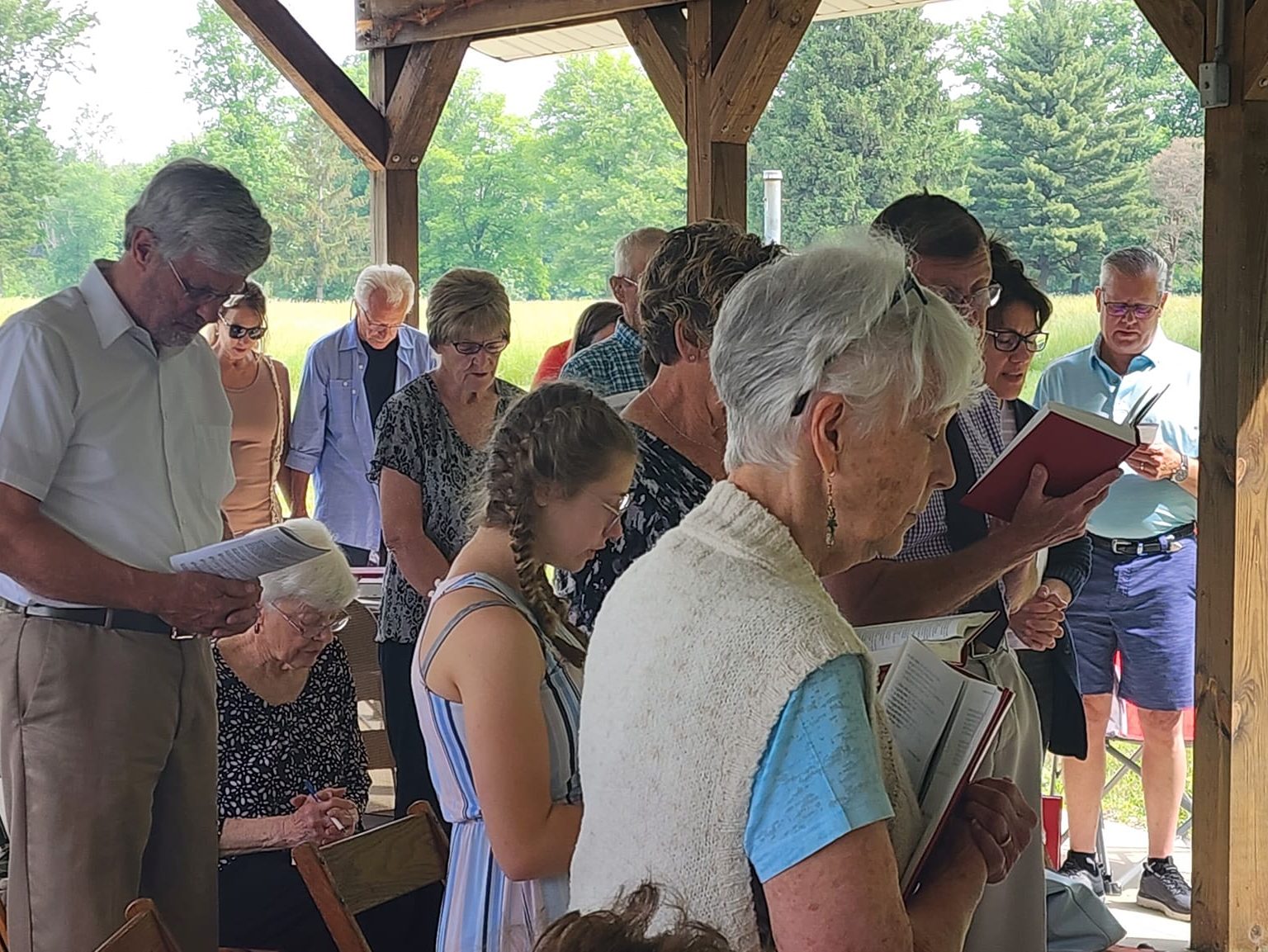
I was blessed to serve as pastoral leader at Zion Evangelical Lutheran Church in Valley City, Ohio, for the three months of Pastor Jim Watson’s summer sabbatical.
Since I “retired” in December of 2020, I’ve served in an interim capacity in three strikingly different contexts. First, as Acting Bishop of the Southwestern Pennsylvania Synod of the ELCA for two months while Bishop Kurt Kusserow was on sabbatical. Then came a 14-1/2 month interim call to an Episcopal setting in Painesville with the faithful of St. James Church. And then, this sabbatical assignment in a Lutheran parish.
I will say more about the other two experiences in a future post, but in this one, I want to make a few observations about this singularly enjoyable situation.
I’ve never made it a secret that I love parish ministry. I draw energy from the people I serve. It is an honor and a blessing to accompany them in both their joys and sorrows, to share their most intimate and vulnerable moments. While my time as bishop had its merits, the ministry of oversight was never the most enjoyable use of my time.
The congregation of Zion is made up, for the most part, of farmers – people who make their living from tilling the soil. The church’s origins date back to 1830 when German immigrants formed a settlement in what was then known as Liverpool Township, in Medina County, Ohio. Though it is still primarily a rural community, the past several decades have seen an increase in the population of Medina County due to a variety of factors. Yet even as the county becomes more racially and ethnically diverse, it remains overwhelmingly white (93%) and gradually older.

Demographics, however, don’t tell the story of Zion. Its people are warm, friendly, and caring. Above all, they are faithful. I base my assessment not just on my time spent with them, but also on the reaction of those who have visited and shared their thoughts. The Zion faithful are constantly exploring ways to be a presence in the community.
All summer long I felt as if my main responsibility was merely to show up. The people knew their roles and fulfilled them well. They give added meaning to the term congregational vitality.
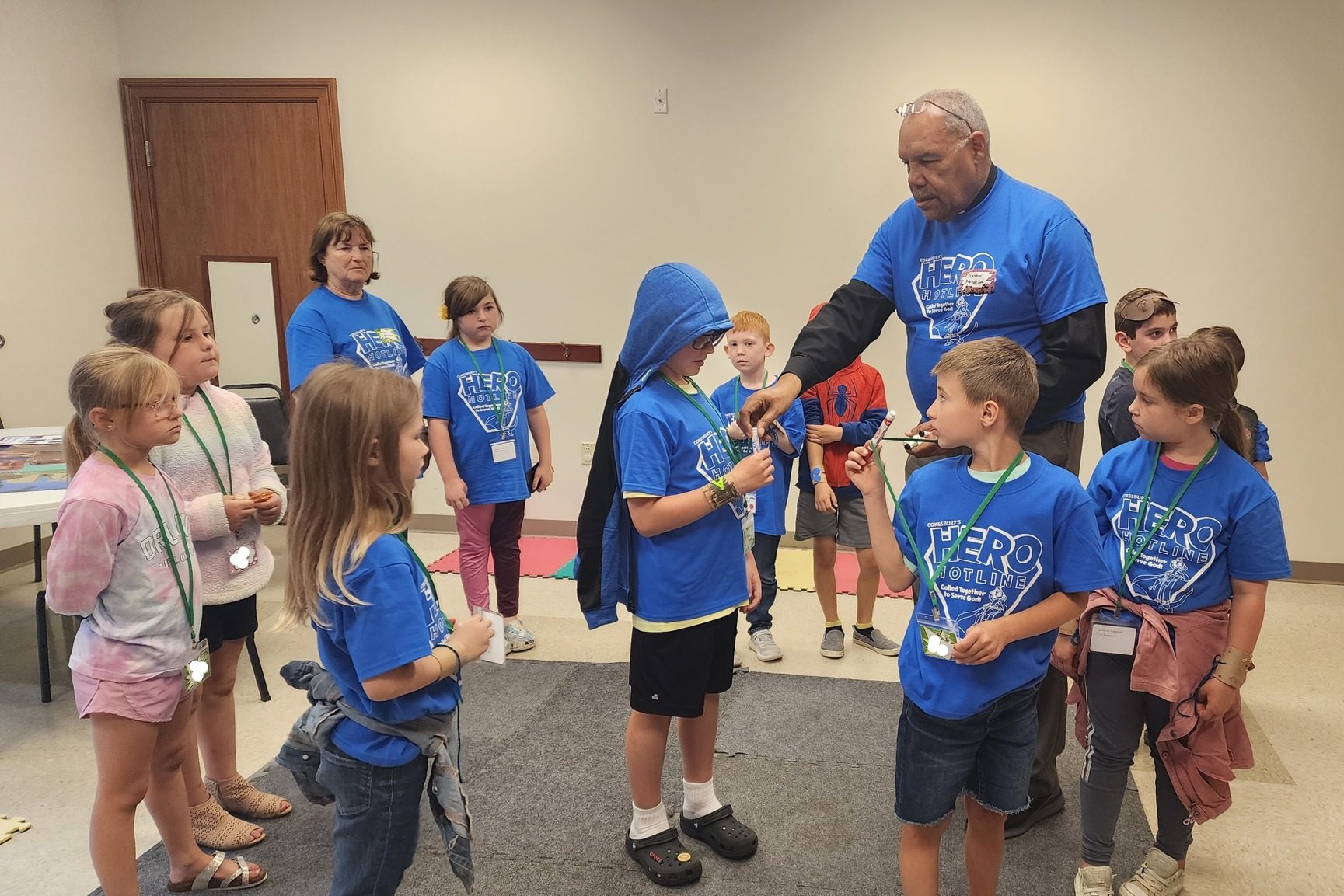
In my very first week there, a vibrant Summer Vacation Bible School drew nearly 100 youngsters from the community. Throughout the summer there were other outreach activities, such as their annual Christmas in July Diaper Drive which in years past has collected as many as 1,000 diapers for mothers of low-income families. Several times a year, they house a family at the church for a week as part of their collaboration with Operation Homes. The members of the church not only provide meals, but also visit with the families. These are but a few of the many acts of kindness that take place all year round. Zion is a veritable beehive of activity, both as an individual congregation, and in cooperation with other churches and civic groups.
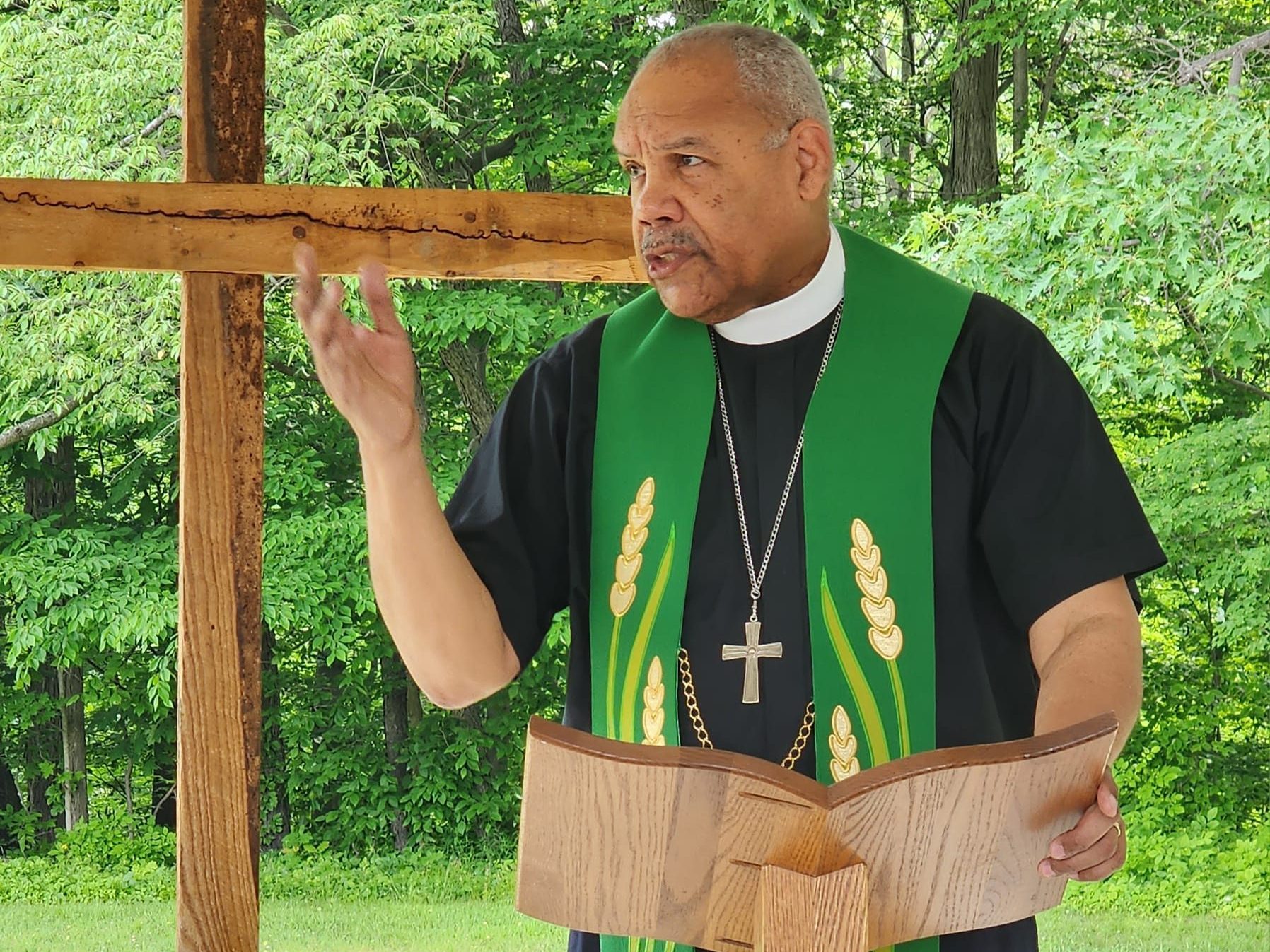
The highlight of my week, of course, was worship. One of the joys of a rural setting was that twice a month, on the second and fourth Sunday, we worshipped outdoors. And for the first time since people could remember, rain never forced us back inside.
My sermons focused primarily on the Old Testament readings from Genesis and Exodus. It was a way to develop the theme Pastor Watson and I had discussed before his leaving, of following the key stories of the ancestors of Israel. This would hopefully inspire the congregation to look back at their own past and see how their heritage has made them who they are and motivate them to look forward to a future of hope, firmly grounded in God’s promises.
I confess that I hadn’t read some of these stories since my Old Testament classes in seminary, therefore I was challenged to dig deep into some long-dormant themes that I had neglected for years. The joy of that was that it enlivened my preparation and revived my preaching, for which I am grateful.
The people of Zion are guided by the purpose statement quoted above. The purpose statement was developed earlier this year in hopes that it would make them a stronger and more effective faith community. Purpose statements in any organization are risky. Unless they are lived into and lived out, they become meaningless. And unlike other entities, a church must have at its core, a commitment to discipleship – listening to the voice of Jesus and becoming followers, of Jesus. The challenge this immediately poses is to engage in a daily habit of scripture reading and prayer in order to allow oneself to be formed and shaped by the word of God and keeping God at the center of one’s life.
One of my favorite quotes is by Henri Nouwen from his book, The Living Reminder, which states: “When we have lost the vision, we have nothing to show; when we have forgotten the Word of God, we have nothing to remember; when we have lost the blueprint of our life, we have nothing to build. But when we keep in touch with the life-giving Spirit within us, we can lead people out of their captivity and become hope-giving guides.” (pp. 72-73)
While I can’t assess the quality of each member’s individual prayer life, their comments and questions indicated to me that they are doing much more than going to church for the mere pleasure of getting together every week.
God has called me to unexpected places in my ministry. It’s difficult to say one call has been better than another. All have honestly had their moments of joy and in no instance have driven me to despair. But I must say that this experience, brief as it may have been, has been memorable.
Thank you, people of Zion, for a superb summer.
 Walking Together in Faith