psalm 19:14
Let the words of my mouth
and the meditation of my heart
be acceptable in your sight,
       O Lord, my strength and my redeemer.
(book of common prayer, p. 607)
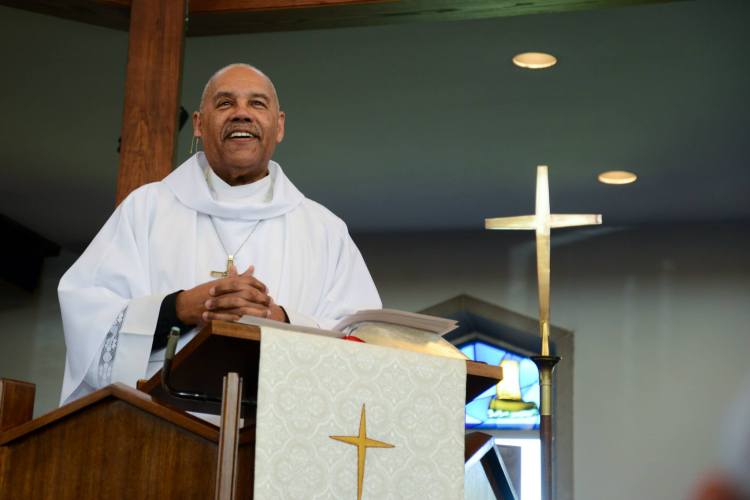
For as long as I have preached, with few exceptions, I have opened my sermons with a prayer. Regardless of its length, I always close the prayer with the 14th verse of Psalm 19, cited above.
I don’t remember exactly when I began the custom or even why. I think I may have heard someone utter it in a seminary chapel service and, like many things we do in life, it appealed to me and so I imitated the practice.
I modified verse 14 a little by changing the singular “meditation of my heart,” to “meditation of our collective hearts,” to include my hearers in the enterprise. After all, I may be doing the praying, but I would hope the entire assembly is drawn in the meditation or reflection process. Likewise, I pluralized the possessive pronouns to make it even more of a communal prayer.
According to Cal Berkeley professor of Hebrew Literature Robert Alter, in his translation and commentary on the Psalms, this verse has appropriately been adopted as the conclusion to the silent prayer recited three times daily in Jewish worship.1
I once had to summon all my strength to suppress a chuckle when a worshipper approached me after a service and complimented me on the prayer, thinking that I had made up the closing. I had to confess that the words were not my own. When I quoted the source, it left the person somewhat surprised, disappointed, and perhaps feeling a little sheepish for not knowing that it was from scripture.
Psalm 19 has long been a favorite of mine. It was among the earliest ones I learned, and two of its verses – the first and the last – are two that I memorized as a youngster. I mentioned in my previous post last week that verse one often comes to mind when I am outdoors surrounded by nature and its beauty.
The heavens are telling the glory of God;
and the firmament proclaims his handiwork.
Psalm 19:1

In plain language, this verse states that it is the marvel and splendor of the heavens that witness, without words, to the wonder of God’s creation. But the gift of words is reserved for humankind, the final and best of God’s creatures. It is to us that the Creator has endowed the uncanny ability to verbally express our thoughts and feelings. Speech, therefore, is a holy responsibility.
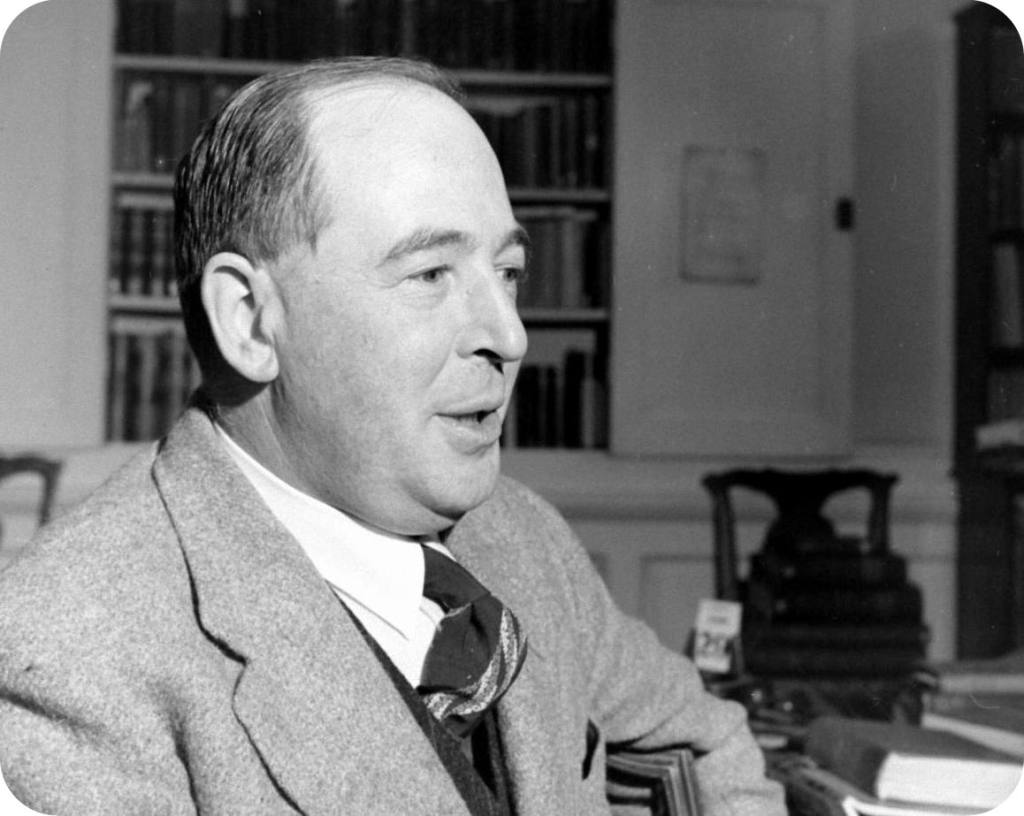
C.S. Lewis called Psalm 19 “the greatest poem in the Psalter and one of the greatest lyrics in the world.”2 It is no wonder then that, over the course of the three-year Revised Common Lectionary readings, it is read at least six times.
In the upcoming lectionary readings for this coming Sunday, October 8, 2023, those congregations that follow the semi-continuous readings (track one for my Episcopal friends) will note that Psalm 19 is the assigned psalm lection.
It is not my intention here to write a commentary on the psalm. There are myriad commentaries available that have done a far better analysis than I could ever hope to do. But this psalm, especially the closing verse, is what gives my sermon a purpose. When I pray before preaching, I am asking God to accept that what I say is not only acceptable to God, but that God is glorified by what I say. If at least one person gets something out of my words, then I have accomplished what I set out to do.
I came across a paraphrase of Psalm 19 on a website called Laughing Bird out of Australia that expresses my feelings almost on point. Here is the final verse of that paraphrase:
I want all the things I say,
and all the things I mull over in my heart,
to be things I’d be proud to offer to you,
for you are the bedrock of my life;
the one who puts me back where I belong.
There are Sundays when, despite all my diligent preparation and effort, I simply feel that my sermon has fallen flat, that my words have fallen on deaf ears. It is in that moment of dejection that God sends an angel in human form, usually a worshipper (or two) who will make a verbal comment that goes beyond, “Nice sermon, Pastor.” I take this as an affirmation that lets me know my labor was not in vain. And it is precisely then when I sense the sheer grace of God that, as the paraphrase says above, “puts me back where I belong.”
That is why prayer – this prayer – is important.
May my soul be ever mindful that the words of my mouth are a gift from God, who stirs us to speak, and works through my proclamation to bless those who have ears to listen.
- Robert Alter, The Book of Psalms: A Translation with Commentary (New York: W.W. Norton, 2007) p. 64 ↩︎
- C.S. Lewis, Reflections on the Psalms (New York: Harper Collins, 1986), p. 73. ↩︎
 Walking Together in Faith