
But let justice roll down like waters,
amos 5:24
and righteousness like an everflowing stream.
Advent – Day 7
Saturday, December 9
Amos 5:18–27
Jude 17–25
Matthew 22:15–22
When you’re as old as I am you can’t help but repeat yourself. And I’ve told this story so often that people are sick of hearing me say it. But it bears repeating, so apologies if you heard it before.
I first heard the words of the prophet Amos (quoted above) from the voice of Dr. Martin Luther King in my teenage years, listening to a news clip from his historic “I Have a Dream” speech at the march on Washington in 1963.
I was a teenage kid and not at all biblically literate. So, for several years afterwards I always thought he had written that well-known line.
Imagine my surprise when I began to read the bible more seriously as an adult, and discovered that the original author was the prophet, Amos!
I preached a few weeks ago on this same text, so pardon me for borrowing a few sentences from that sermon for today’s post.
The key to understanding the prophecy of Amos has to do with our understanding of the word justice.
These days we tend to think of “justice” in legal terms. Justice to us means catching criminals, sending them through the court system with due process, granting people legal representation and a jury of their peers. If all goes well, the guilty go to jail and the innocent go free.
But justice in the Bible has less to do with the conviction of the guilty and more to do with the care of the innocent.
In Hebrew, the word for justice means that the neediest in society are cared for. From early childhood, Jewish children learned their responsibility was to care for other Jews in need.
Justice begins and ends with the very character of God.
And because the Lord had elected Israel as God’s own people, the Lord demanded that the people reflect God’s character—that is, Israel must be a people of justice.
And because God is a God of justice, that justice requires a special concern for the powerless—those who lack the capacity to protect their own well-being.
In the Old Testament social concept, these “powerless” are often described as “the widow, the orphan, and the stranger.”
My favorite Old Testament scholar, Walter Brueggemann, calls this group “the triad of vulnerability.”
God had – and continues to have – a preferential spot in his heart for people in these conditions.
Our social existence is profoundly interconnected.
Yet there are some who consider the term “social safety net” equal to an obscenity.
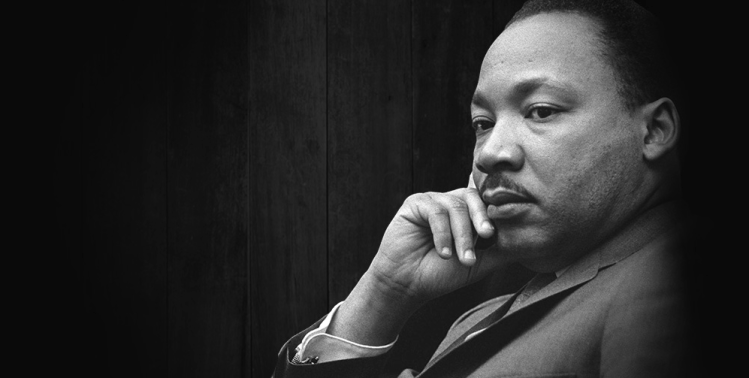
As Martin Luther King pointed out often in his powerful sermons and speeches, societies do not fall apart because evil people are doing evil deeds. Societies rot away because good people are so focused on themselves and what they want, that the good that needs to be done fails to get done.
The words of the prophet Amos challenged the people of Israel, and by extension, us, to get away from selfishness to ponder not just how we are doing but how everyone is doing.
God gives us opportunities every day to do something, to help others, to act on God’s behalf.
We are called to bring our voice, our actions, as well as our financial resources – to let justice roll down like waters, and righteousness like an everflowing stream.
Let us pray:
Almighty and most merciful God, we remember before you all poor and neglected persons whom it would be easy for us to forget: the homeless and the destitute, the old and the sick, and all who have none to care for them. Help us to heal those who are broken in body or spirit, and to turn their sorrow into joy. Amen.*
*(Adapted from the Book of Common Prayer, p. 826)
 Walking Together in Faith