Our forefathers put their trust in you;
[PSALM 22:4-5]
they trusted, and you delivered them.
They cried out to you and were delivered;
they trusted in you and were not put to shame.
| ADVENT DAILY OFFICE READINGS |
|---|
| AM Psalm 16, 17; PM Psalm 22 Amos 5:1-17; Jude 1-16; Matt. 22:1-14 |
December 5, 2025, is the 70th anniversary of the Montgomery bus boycott.
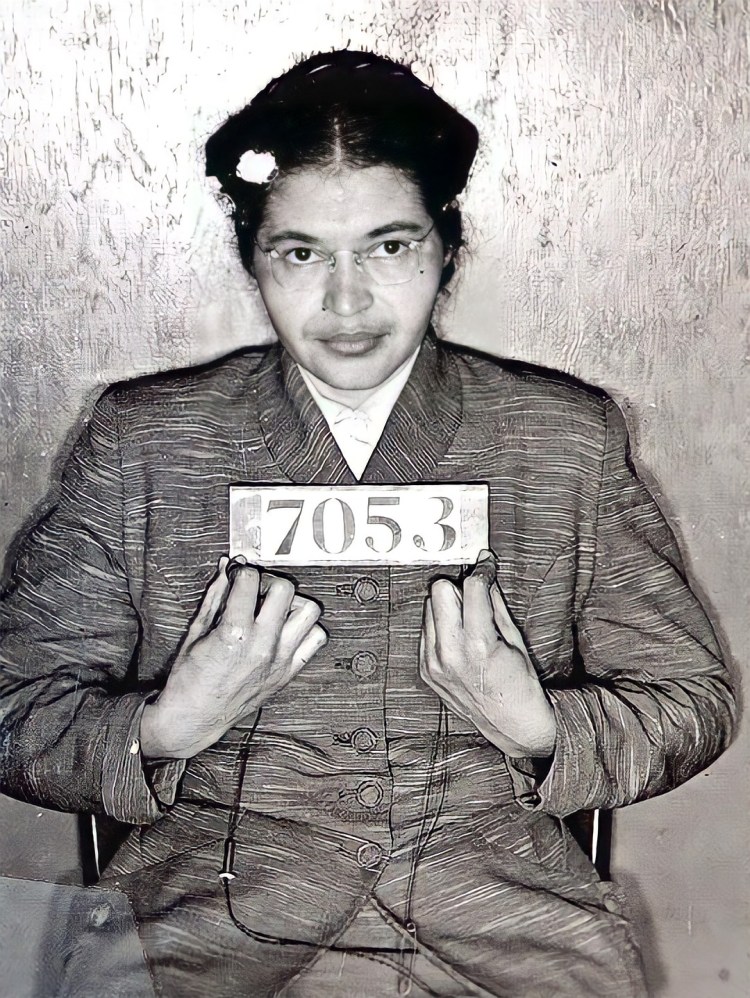
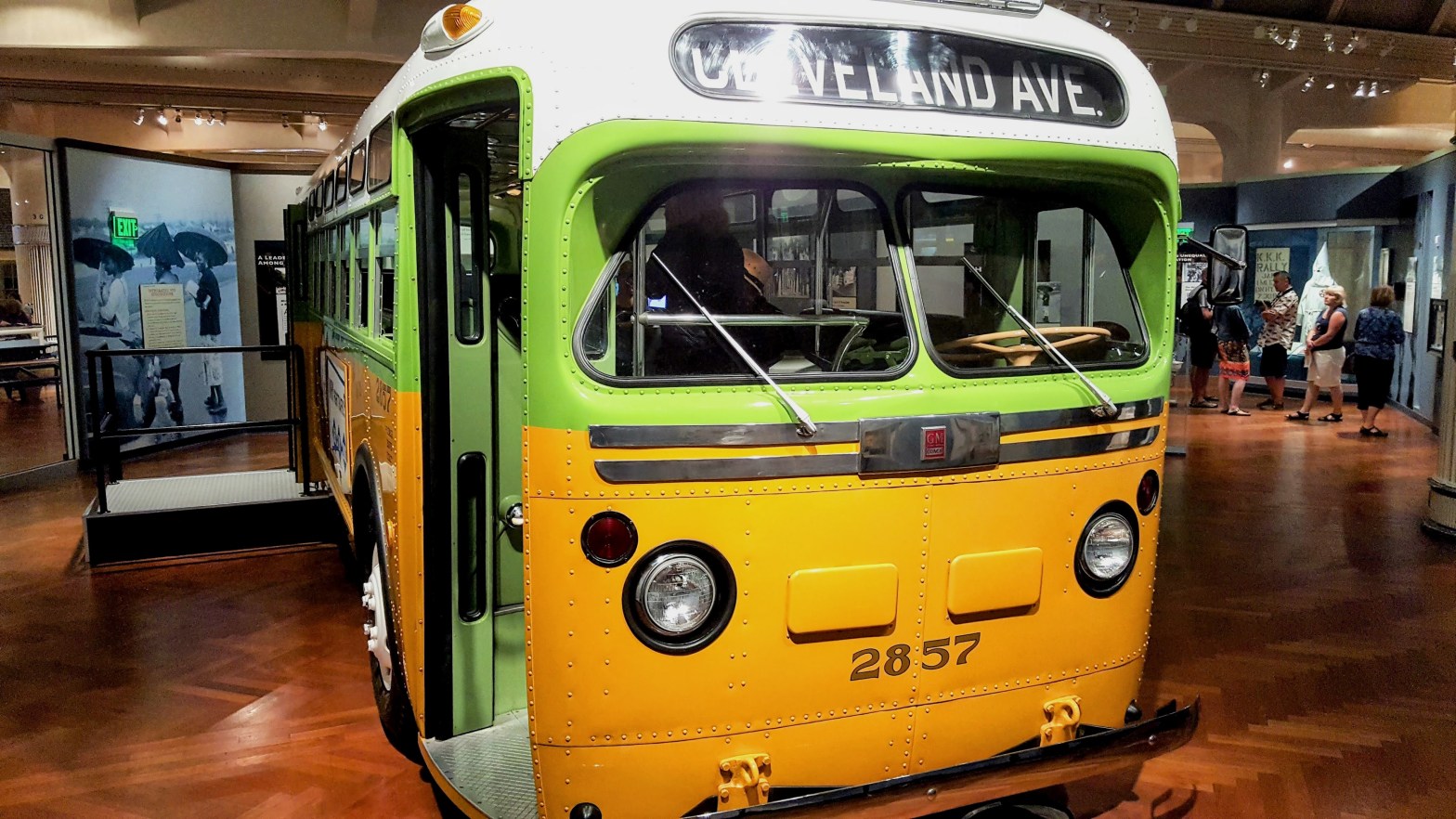
Seventy years ago, in Montgomery, Alabama, a woman named Rosa Parks refused to give up her seat on a bus to a white man, which was the law in those days.
For that act of defiance, she was arrested and jailed.
In protest, the leaders of the local chapter of the National Association for the Advancement of Colored People (NAACP) responded by organizing a one-day boycott on December 5.
That day, the Black people of Montgomery were asked to seek alternative ways to get to where they were going and not ride the city’s buses.
The Montgomery Bus System depended heavily on African American ridership. The boycott was such a huge success that it was decided to extend the boycott indefinitely.
Black people walked to work. They formed carpools. They got from point A to point B by any means possible, except by bus.
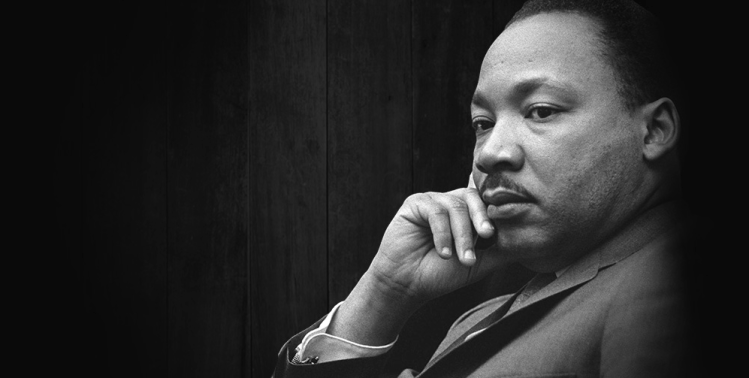
As the boycott picked up steam, a group of local African American ministers formed an organization to support the movement. It was known as the Montgomery Improvement Association. The clergy group elected as its leader a young, newly arrived, 26-year-old minister named Martin Luther King.
The boycott lasted 382 days.
Eventually, laws were passed and upheld by the courts that ended segregation on public transportation.
The footsteps of the people of Montgomery began a walk that inspired a national movement to overthrow those systems that degrade and dehumanize God’s creatures.
Rosa Parks is remembered today for her courage – a courage that set the wheels in motion for a much greater quest to restore the rights and dignity of an oppressed people.
The Rev. Dr. Martin Luther King, Jr., of course, became the face and voice of the civil rights movement. For thirteen years, until his untimely assassination in 1968, his prophetic voice pierced the conscience of a nation.
“If you will protest courageously, and with dignity and Christian love,” he said, “When the history books are written in future generations, the historians will have to pause and say, ‘There lived a great people – a black people – who directed new meaning and dignity into the veins of civilization.’”[i]
Psalm 22, the assigned reading for Evening Prayer on this day, is best known for its opening verse.
The words, “My God, my God, why have you forsaken me?” were on Jesus’ lips as he hung on the cross.
J. Clinton McCann, Jr., in a commentary on this psalm for the website Working Preacher, makes the following observation:
“Jesus suffered precisely because he fully embodied God’s unconditional love and compassion for the poor and victimized; and in the midst of pervasive opposition and pain, Jesus entrusted life and future to God. For Jesus, like the psalmist, the agony and the ecstasy belonged together. It is true for Jesus’ followers as well.”
There are lessons to be learned from those early years of non-violent resistance as well as from the people who sparked the movement; chiefly, that all struggle for justice involves some degree of suffering.
It is vital that we not lose sight of that important fact in these days, as we witness a federal administration that is methodically dismantling many of the gains that were made as a result of the civil rights movement.
Psalm 22 assures us that God is with us in the struggle.
Let us pray:
Grant, O God, that your holy and life-giving Spirit may so move every human heart and especially the hearts of the people of this land, that barriers which divide us may crumble, suspicions disappear, and hatreds cease; that our divisions being healed, we may live in justice and peace; through Jesus Christ our Lord. Amen.
(Book of Common Prayer, p. 823)
[i] Harding, Vincent. Martin Luther King, the Inconvenient Hero. (Maryknoll: Orbis Books, 1996.), p. 32
Featured Image: The bus that Rosa Parks rode has been restored and is on display at the Henry Ford Museum in Dearborn, Michigan. (Personal photo)
 Walking Together in Faith