
Let everything that has breath
[PSALM 150:6]
praise the Lord.
Hallelujah!
| ADVENT DAILY OFFICE READINGS |
|---|
| AM Psalm 148, 149, 150; PM Psalm 114, 115 Amos 6:1-14; 2 Thess. 1:5-12; Luke 1:57-68 |
Today is the Second Sunday of Advent, the eighth day of our season.
The daily readings differ vastly from the Sunday Lectionary texts.
So if you landed on this page hoping to hear about broods of vipers, you’re going to be disappointed.
When I decided to concentrate on the Psalms for this year’s Advent devotions, I honestly thought it would be less of a challenge than it has become.
My hope was to have all reflections wrapped up before the Advent season got started. However, I found myself spending more time in the psalter than I planned. I have been sitting with each psalm much longer than intended.
Even when the pairings seem repetitious, I find myself looking for variations and the meaning in them.
Therefore, instead of being ahead of schedule, I am struggling to keep up.
And yet, there’s some good in that. I am also not going into something I’ve written days in advance to change a thought because of some recent occurrence that put a different slant on things.
This is Sunday, however, and I want to focus on the Sabbath and how this group of psalms address this day.
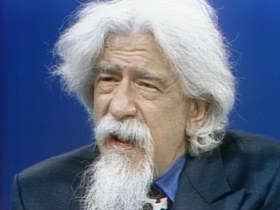
The Jewish mystic, Abraham Joshua Heschel, a prolific author, once wrote the following about this day:
Six days a week we wrestle with the world, wringing profit from the earth; on the Sabbath we especially care for the seed of eternity planted in the soul. the world has our hands, but our soul belongs to Someone Else. Six days a week we seek to dominate the world, on the seventh day we try to dominate the self.[1]
The psalms selected for this Second Sunday of Advent are what are known as “Praise Psalms.” The are placed intentionally at the end of the psalter to emphasize the outcome of a life lived in obedience to God.
We’ve stressed previously in this first week of Advent the importance of that trust in God’s abiding presence with us. These closing psalms underscore that.
We who worship in liturgical settings are familiar with the hymn of praise that we sing early in the service. These psalms are remarkably similar.
It is on this day, the Sabbath, that we come before God to thank God for all the blessings God has given us, to give account for what we have done, for what we have failed to do, and to make our pleas to God for justice and mercy.
Elsewhere, in an essay on prayer, Heschel makes the following commentary about the value of public worship.
If not for my faith in God…who could stand such agony?
The beginning of prayer is praise. The power of worship is song. First we sing, then we understand. First we praise, then we believe. Praise and song open the eyes to the grandeur of reality that transcends the self. Song restores the soul; praise repairs spiritual deficiency.[2]
In sitting with these psalms of praise we also see the rich imagery of creation personified and also giving praise to the Creator.
Praise him, sun and moon;
praise him, all you shining stars.Praise him, heaven of heavens,
and you waters above the heavens.Let them praise the Name of the Lord;
for he commanded, and they were created.(Psalm 148:3-5)

We cannot compartmentalize, we cannot separate ourselves from our surroundings. We exist in concert with nature and its infinite beauty.
This Sunday, this Sabbath, may we take the time to put aside our self-interest, our concerns, and place our hearts on the altar of God; that we may be refreshed and renewed.
Let us pray:
O God our heavenly Father, you have blessed us and given us dominion over all the earth: Increase our reverence before the mystery of life; and give us new insight into your purposes for the human race, and new wisdom and determination in making provision for its future in accordance with your will; through Jesus Christ our Lord. Amen.
(Book of Common Prayer, p. 828)
[1] Heschel, Abraham Joshua. The Sabbath: its Meaning for Modern Man. (New York: Farrar, Straus, and Giroux, 1951.) p. 13
[2] Heschel, Abraham Joshua. Moral Grandeur and Spiritual Audacity; Essays Edited by Susannah Heschel. (New York: The Noonday Press, 1996.)p. 263
 Walking Together in Faith