Put your trust in the Lord and do good;
[PSALM 37:3, 10, 12, 23, 31, 36]
dwell in the land and feed on its riches.
For evildoers shall be cut off,
but those who wait upon the Lord shall possess the land.
But the lowly shall possess the land;
they will delight in abundance of peace.
Those who are blessed by God shall possess the land,
but those who are cursed by him shall be destroyed.
The righteous shall possess the land
and dwell in it for ever.
Wait upon the Lord and keep his way; *
he will raise you up to possess the land,
and when the wicked are cut off, you will see it.
| ADVENT DAILY OFFICE READINGS |
|---|
| AM Psalm 37:1-18; PM Psalm 37:19-42 Amos 9:1-10; Rev. 2:8-17; Matt. 23:13-26 |
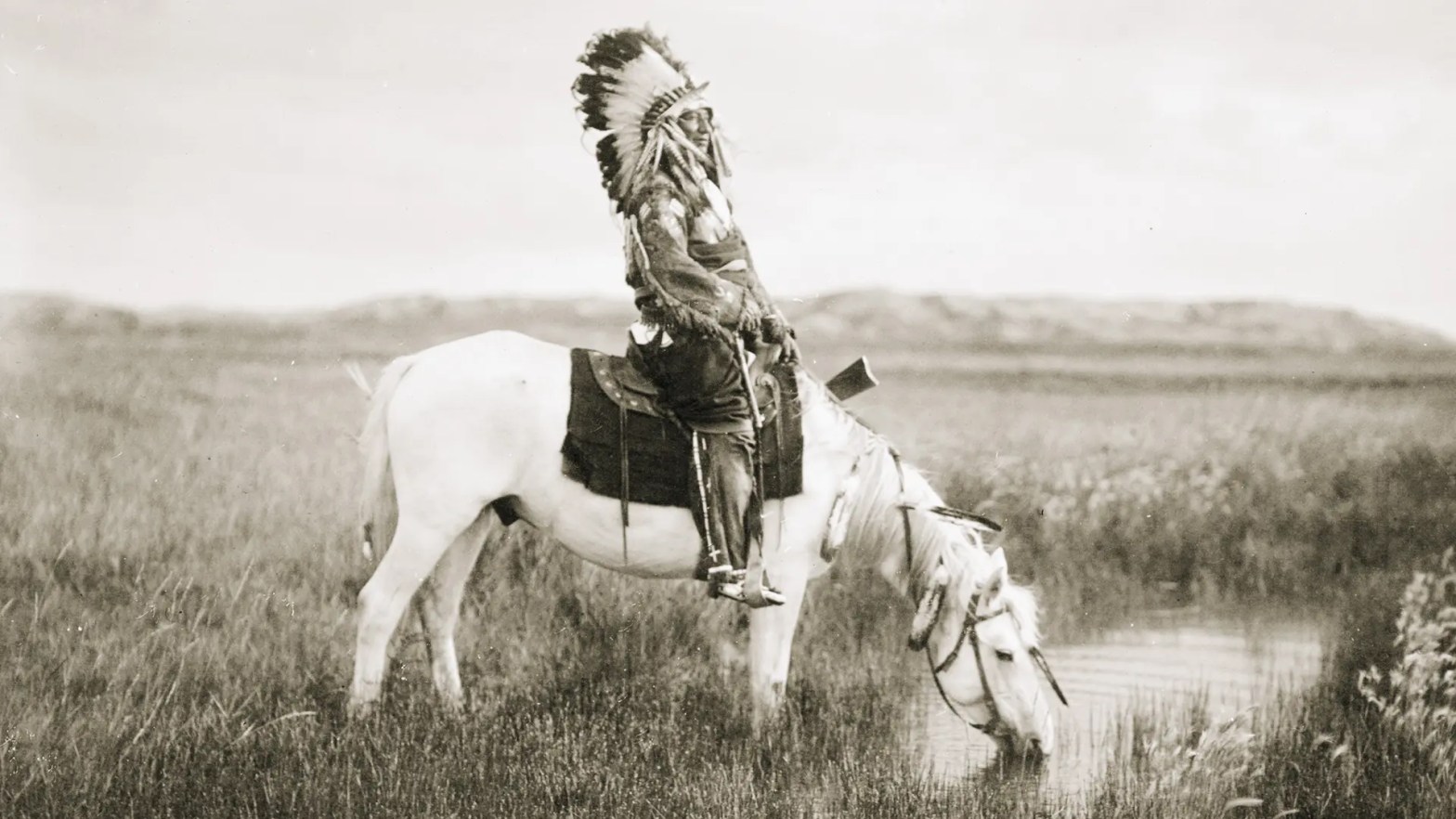
In recent years you may have attended a worship service that began with a statement of land acknowledgement.
The worship leader recognizes and honors the original inhabitants of the land where the congregation is gathered to worship. It has also become a common practice at secular events.
Reactions of those in attendance, as one might imagine, are mixed.
Critics consider it a meaningless waste of time. Those who favor such a proclamation, naturally, find it a valuable display of respect.
This is not just an American phenomenon, but rather, it has become a custom at public gatherings in many colonized countries.
Land acknowledgements show support for the descendants of the dispossessed communities that once thrived in those locations.
The assigned psalm for this twelfth day of Advent makes six statements about land. The verses are listed at the top of the page.
A straightforward reading of the psalm would lead one to conclude that possession of the land is the reward for obedience.
However, human nature being inclined toward selfishness, doesn’t take into account that this prosperity is meant to be shared.
Several years ago I wrote a post on how scripture was perverted to justify the conquest and near extinction of the indigenous tribes of this hemisphere (“What About the Canaanites?”).
Throughout history, the battles for land have been the source of continuous conflict. Two major wars in the present day – Israel and Gaza, Russia and Ukraine – are constantly in the headlines. The United States is also not so subtly lurking in the shadows vying for the rich oil deposits in Venezuela.
The battles for land have also had a disastrous effect on the stability of civilizations. The UN Refugee Agency (UNHCR) estimates that, as of mid-2025, there are 117.3 MILLION forcibly displaced people worldwide as a result of persecution, conflict, violence, human rights violations or events seriously disturbing public order.
As you may have concluded, the idea of the righteous possessing the land is unrealistic. However, that should not deter us from doing all the good we can to make life better for at least one other person.
As Psalm 37 states elsewhere, “For the Lord loves justice; he does not forsake his faithful ones.” (v. 29)
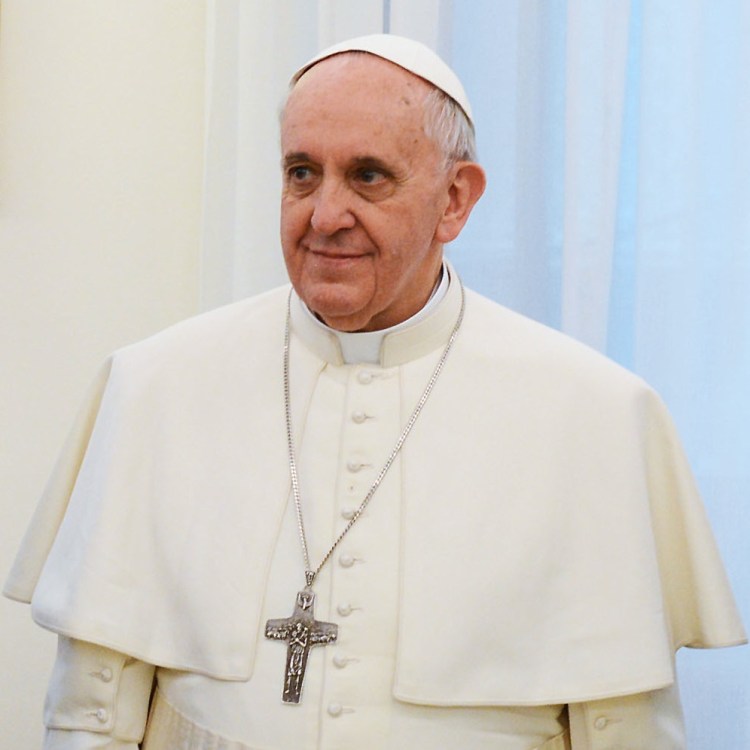
We close today with a prayer composed by the late Pope Francis of blessed memory. This was written in his encyclical Laudato Si’ On Care for Our Common Home. (p. 158)
Let us pray:
All-powerful God, you are present in the whole universe and in the smallest of your creatures. You embrace with your tenderness all that exists. Pour out upon us the power of your love, that we may protect life and beauty.
Fill us with peace, that we may live as brothers and sisters, harming no one. O God of the poor, help us to rescue the abandoned and forgotten of this earth, so precious in your eyes. Bring healing to our lives, that we may protect the world and not prey on it, that we may sow beauty, not pollution and destruction. Touch the hearts of those who look only for gain at the expense of the poor and the earth. Teach us to discover the worth of each thing, to be filled with awe and contemplation, to recognize that we are profoundly united with every creature as we journey toward your infinite light. We thank you for being with us each day. Encourage us, we pray, in our struggle for justice, love, and peace. Amen
 Walking Together in Faith