
For his wrath endures but the twinkling of an eye,
[PSALM 30:5-6]
his favor for a lifetime.
Weeping may spend the night,
but joy comes in the morning.
| ADVENT DAILY OFFICE READINGS |
|---|
| AM Psalm 30, 32; PM Psalm 42, 43 Haggai 2:1-9; Rev. 3:1-6; Matt. 24:1-14 |
(colorized photo)
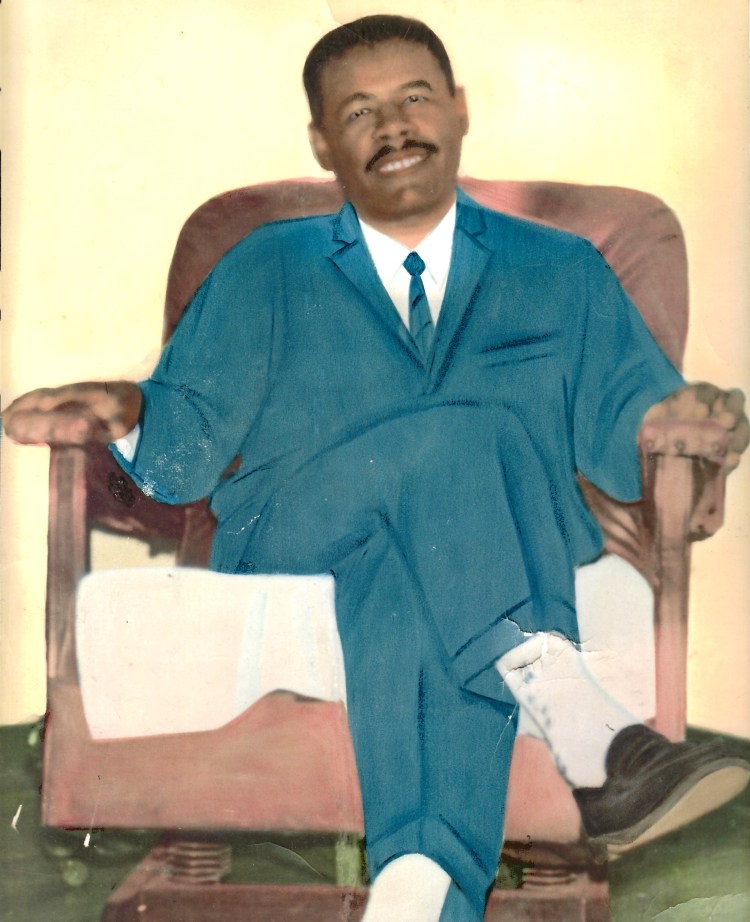
My father died when I was thirteen years old, and for several years I went through what I call my “angry at God” moments.
I refused to go to church. I spent a lot of time questioning why God would take away the one person who was everything to me. More than a father, he was my friend.
Weeping may spend the night,
but joy comes in the morning.
I have a fuzzy memory of hearing people say this verse to me often as a way to comfort the pain that was aching inside me.
It was not very helpful.
I spent a lot of nights weeping. Those nights were pretty long.
My mother was at her wits’ end trying to figure out how to calm my internal unending agony.
Let me be clear. I wasn’t constantly in a state of sorrow. It happened sporadically, in bursts. I would lash out at people who tried to help, primarily my mother.
It probably could have been solved with professional counseling, but we weren’t all that sophisticated in those days.
Eventually, I did calm down. About two years after my Dad died I began attending a Baptist church with two of my friends and was able to talk through some of my issues with the pastor of the congregation. Our discussions helped me make sense of those things I couldn’t understand, and I slowly began to reconcile my feelings and stopped blaming God.
Weeping may spend the night,
but joy comes in the morning.
I think back to those youthful days and how these words summarize all those times in my life when I faced challenges and crises.
Though God must have seemed absent at times, I grew to learn that God does not leave us alone but is with us constantly.
Even in my personal suffering, God was still active, surrounding me with those who would witness to the love of God in my life, a love that would eventually bring me through to a moment of joy.
You have turned my wailing into dancing;
you have put off my sack-cloth and clothed me with joy.Therefore my heart sings to you without ceasing;
O LORD my God, I will give you thanks for ever.
(vv. 12-13)
In a commentary on psalm 30, retired Old Testament professor Dennis Bratcher writes the following:
This psalm proclaims that endings are not as final as we sometimes think they are. It does not deny the reality of the darkness. It does not deny the experience of the absence of God. And it does not deny the dismay of finding that our beliefs do not always stand up to the realities of life. But it affirms that out of that grievous experience of death can emerge a new joy, a new hope, a new future, and a new confirmation of what it is to be the people of God.
Even now, as we try to make sense of all the dysfunction that is going on socially and politically in our country, these words echo a promise of hope that even though our night may be long – we’re not talking about a typical daily sequence here – morning is coming.
It seems to mirror the coming of Christ that we await in Advent.
That coming indeed will be a morning of joy.
Let us pray:
O God, the King eternal, whose light divides the day from the night and turns the shadow of death into the morning: Drive far from us all wrong desires, incline our hearts to keep your law, and guide our feet into the way of peace; that, having done your will with cheerfulness during the day, we may, when night comes, rejoice to give you thanks; through Jesus Christ our Lord. Amen.
(Book of Common Prayer, p. 99)
 Walking Together in Faith