
Now that he is safely dead,
[carl wendell hines, jr.]
Let us praise him.
Build monuments to his glory.
Sing Hosannas to his name.
Dead men make such convenient heroes.
For they cannot rise to challenge the images
That we might fashion from their lives.
It is easier to build monuments
Than to build a better world.
So now that he is safely dead,
We, with eased consciences will
Teach our children that he was a great man,
Knowing that the cause for which he
Lived is still a cause
And the dream for which he died is still a dream.
A dead man’s dream.
| DAILY OFFICE READINGS – January 16, 2026 |
|---|
| AM Psalm 16, 17; PM Psalm 22 Gen. 6:1-8; Heb. 3:12-19; John 2:1-12 |
This is a significant weekend.
Sunday, the 18th of January, begins the Week of Prayer for Christian Unity. The Church also commemorates the Confession of St. Peter on that date (although most church bodies will transfer the commemoration to Monday).
On a personal note, the 18th also happens to be my ordination anniversary.
Monday is also a federal holiday commemorating the Rev. Dr. Martin Luther King, Jr., who was born January 15, 1939.
I’ve written numerous posts about Dr. King and the significance of this day.
I bring it up again this time because over the past year, the current President and his administration have launched an aggressive campaign aimed at dismantling all the accomplishments and advances made by people of color – African Americans specifically – to gain an equal foothold in this society.
Claiming that skin color has given Black people an unfair advantage, all Diversity, Equity, and Inclusion (DEI) programs and initiatives have been eliminated from all federal departments by executive order.
In a blatant display of racism, members of the President’s Cabinet go out of their way to falsely scapegoat black people for the government’s own incompetence.
It is astounding that in the most multi-racial, multicultural, multi-religious society in the world, these so-called “leaders” would push such a white supremacist agenda.
But they do!
And in the process, several of those cabinet members openly base their opinions on their religious beliefs.
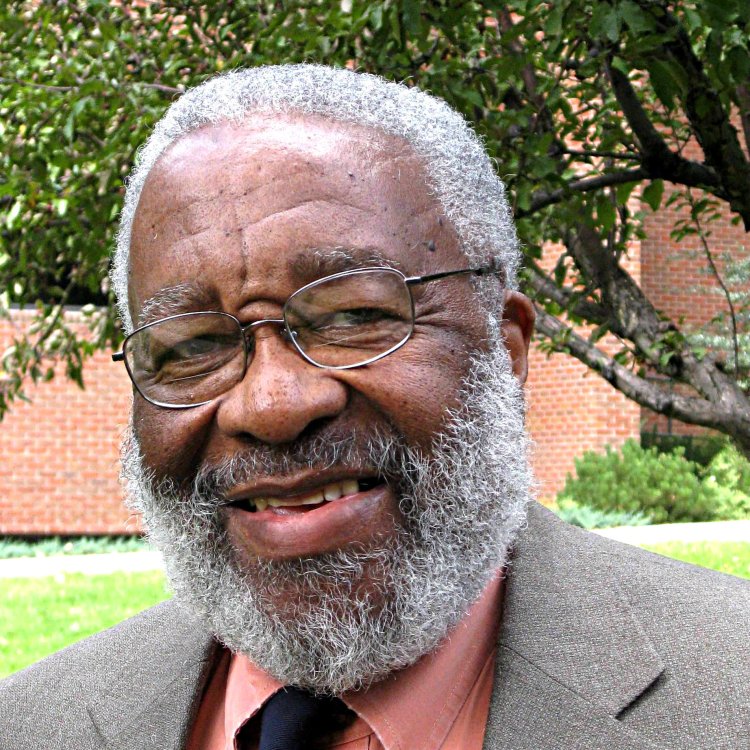
(1931-2014)
I borrowed the title of today’s post from the subtitle of a book by the late Vincent Harding, a noted pastor, historian, scholar, activist, and occasional speech writer for Dr. King.
In the introduction to his book, Harding quotes a long-time friend of King’s, Rabbi Abraham Joshua Heschel, who said shortly before King’s death in 1968 that “the whole future of America depends upon the impact and influence of Dr. King.”[1]
When it comes to Martin Luther King, racist attacks rooted in religion are nothing new, they’re simply much more brazen.
Every year on MLK Day, I take an hour or so to read, sit with, and ponder King’s “Letter from a Birmingham Jail.”
As it is when I read scripture, I find new insights each time, but I never cease to be dumbfounded at the opening greeting.
“MY DEAR FELLOW CLERGYMEN:”
The letter was written in response to complaints by CLERGYMEN!
King couldn’t hide his disappointment.
I see the church as the body of Christ. But, oh! How we have blemished and scarred that body through social neglect and through fear of being nonconformists.
Now, on balance, there were many white clergymen who marched with King and took part in the demonstrations and the voter registration drives. Some even made the ultimate sacrifice, giving their very lives for the cause.
Among that great cloud of witnesses, we remember the Rev. James Reeb and seminarian Jonathan Myrick Daniels, of blessed memory. (See notes at the end of this post for more information.)
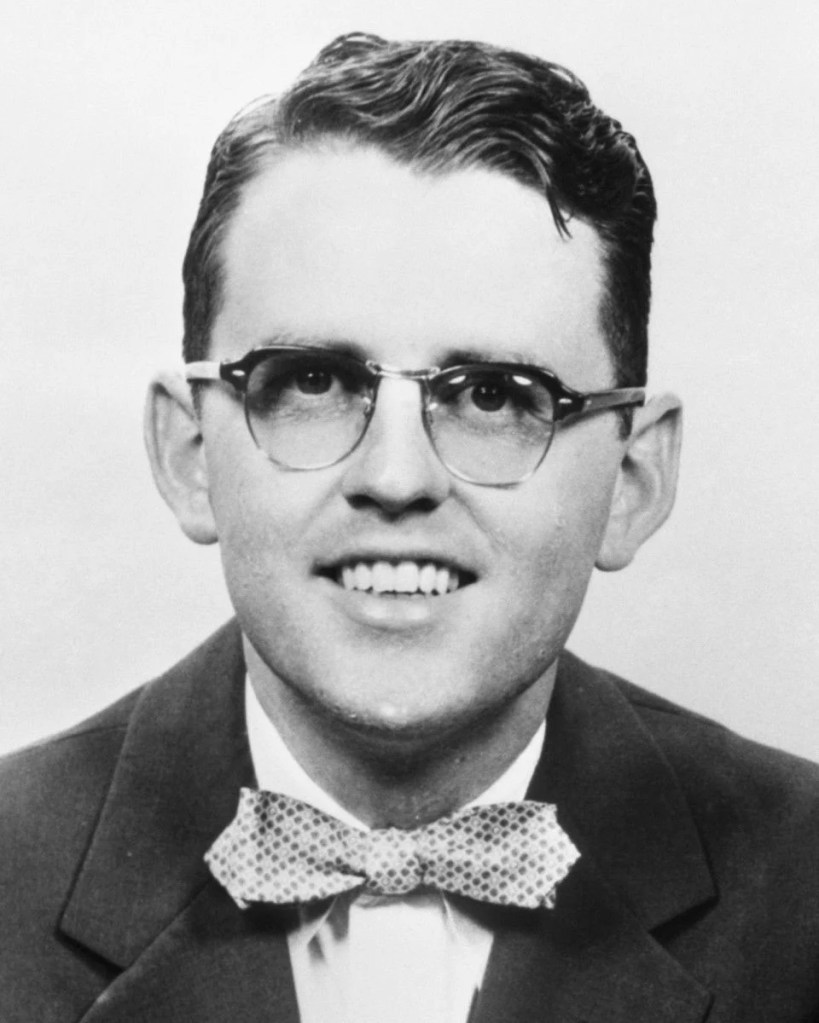
(1927-1965)
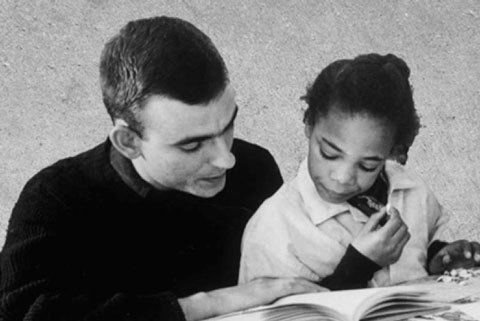
(1939-1965)
Today, it isn’t such a rarity as it was then. Clergy have been much more visible in protests, especially the most recent federal immigration raids targeting immigrants.
The words of Dr. King are still resonant today although the government seems to turn a deaf ear to them.
We must all learn to live together as sisters and brothers, or we will all perish separately as fools. [Harding, p. 113]
The one inescapable truth for King, according to Harding, was that we are one through our relationship with the loving God. He was utterly comfortable with being identified by God and with God and not by others. [Harding, p. 114]
Rather than label others as black, white, liberal, conservative, Republican, Democrat, independent, gay, straight, young, old, or any other label, King identified himself and everyone else by that label that we all should wear proudly—child of God.
Imagine what would be if our nation’s leaders would see themselves in that light!
Let us pray:
Almighty God, by the hand of Moses your servant you led your people out of slavery, and made them free at last: Grant that your church, following the example of your prophet Martin Luther King, may resist oppression in the name of your love, and may strive to secure for all your children the blessed liberty of the Gospel of Jesus Christ; who lives and reigns with you and the Holy Spirit, one God, now and for ever. Amen.
(Lesser Feasts and Fasts 2024 p. 175)
[1] Harding, Vincent. Martin Luther King: The Inconvenient Hero. Maryknoll: Orbis Books, 2008 Revised Edition. p. xi
James Reeb (1927-1965), a white Unitarian minister from Boston, was beaten with a club by a trio of white men on March 10, 1965. He slipped into a coma, dying the following day.
Jonathan Daniels (1939-1965), A seminary student at Episcopal Divinity School in Cambridge, MA. A part-time deputy pulled out a shotgun and pointed it at 17-year-old Ruby Sales. Daniels knocked Sales to the ground and took the shot. He died on August 20, 1965.
 Walking Together in Faith