…the memory of a particular image
MARCEL PROUST
is but regret for a particular moment.
I have a fascination with abandoned buildings.
My mind instantaneously travels back to that imaginable time when the place was bustling with activity, people wandering in and out, transacting whatever business went on there.
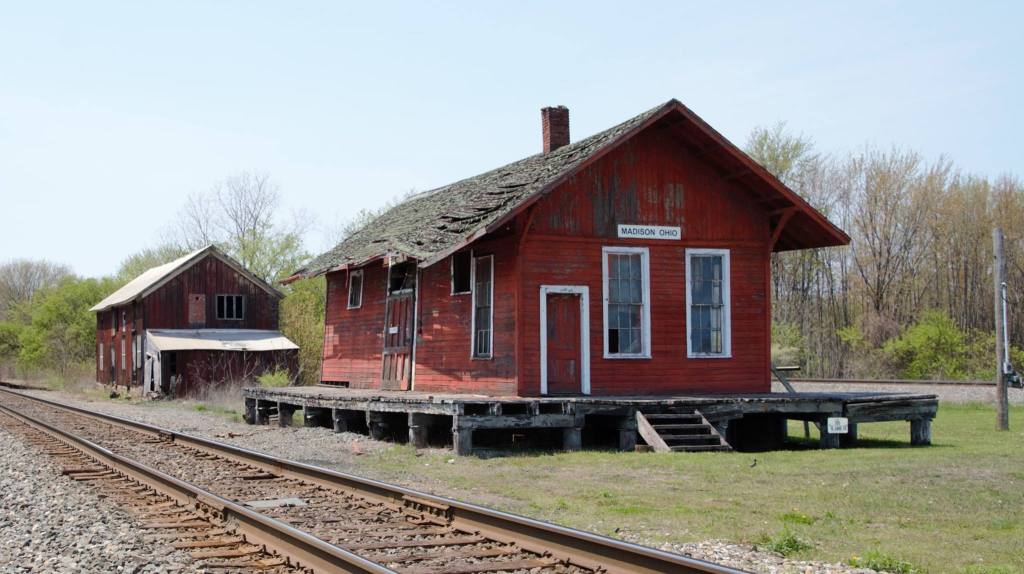
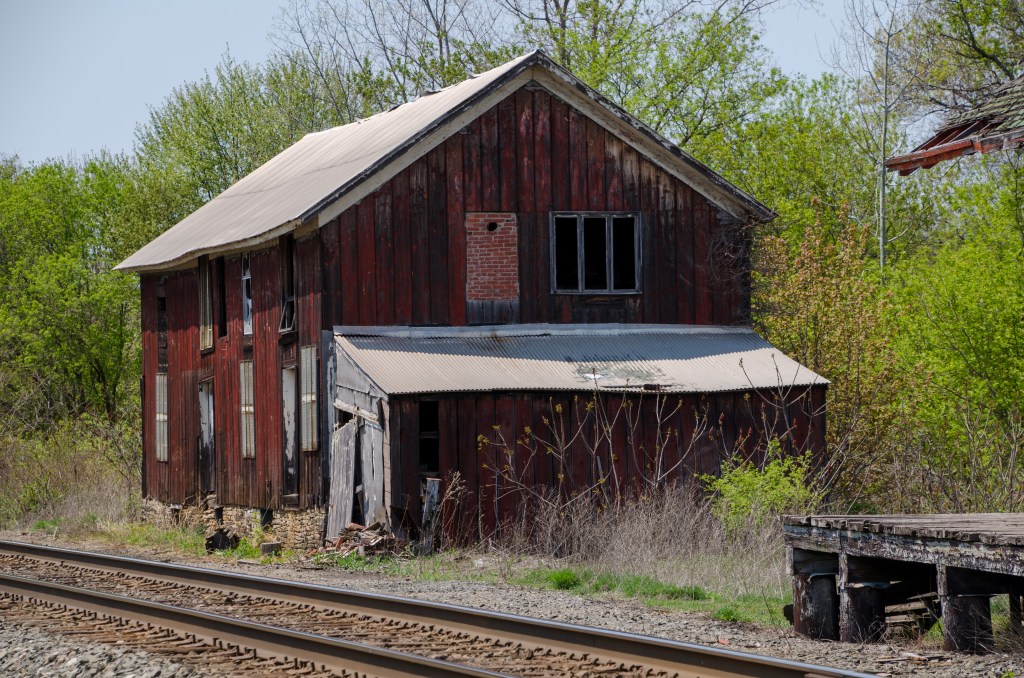
Several years ago, when my travels throughout Northeastern Ohio were more frequent, a pair of dilapidated structures caught my eye as I was stopped at a railroad crossing. I parked my car, grabbed my 35mm DSLR camera from the trunk, and excitedly began taking several shots of both abandoned buildings from all different angles for no other reason than they intrigued me.
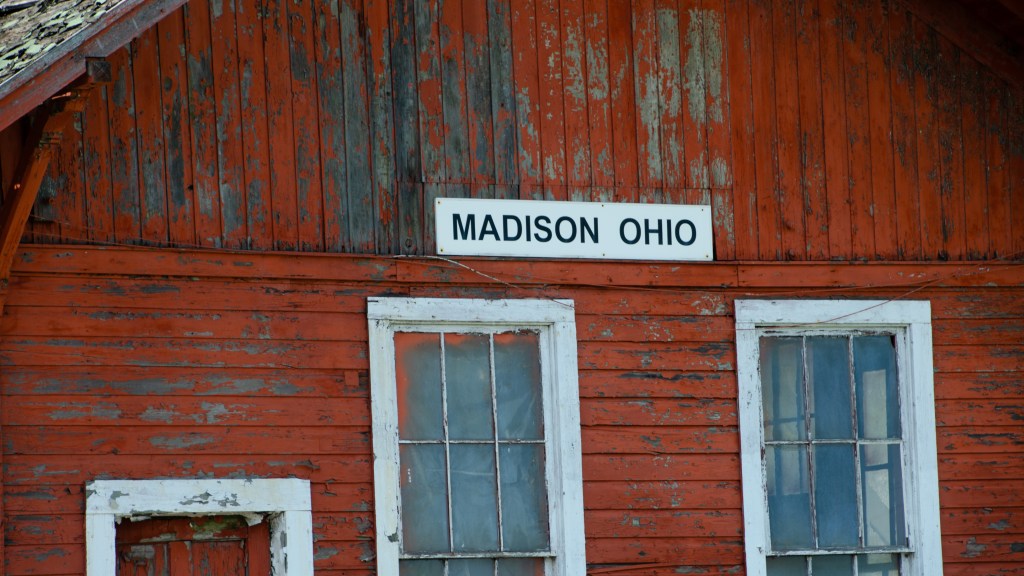
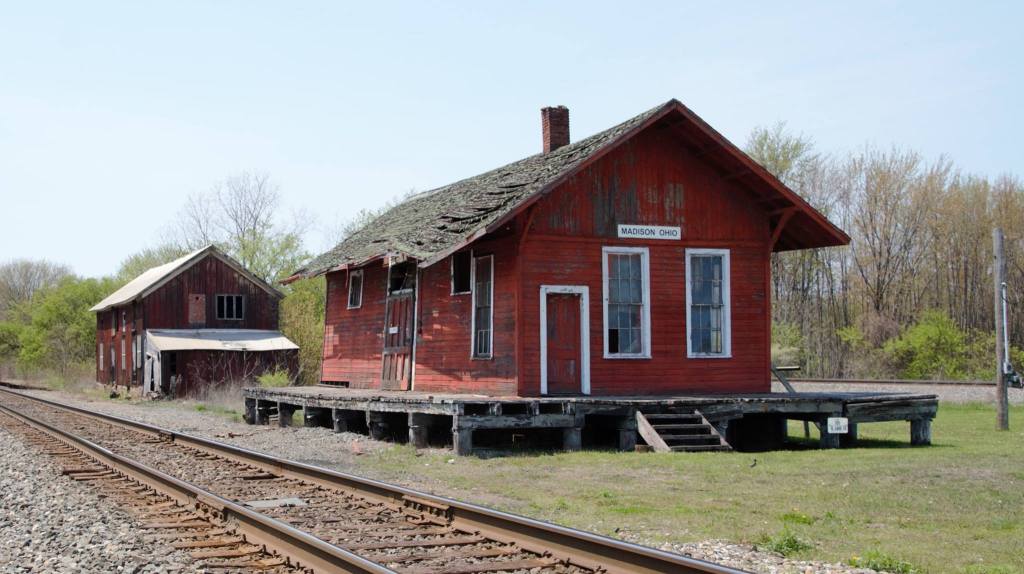
I took these photos of the Madison railway station and feed storage building sometime in May of 2016. I would later learn that in August of that same year the structures were torn down. A community group had made an effort to preserve them but was unable to generate the necessary funds. So, photos and memories on a Facebook page are all that remain.
Of course, railway stations are not the only buildings that now stand empty, abandoned, repurposed, or eventually destroyed. When I occasionally glance at these photos, churches also come to mind.
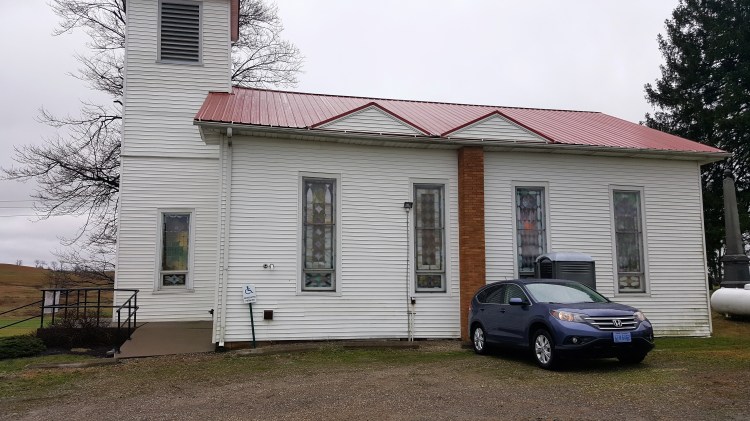
During my time as Bishop of the Northeastern Ohio Synod, eight congregations (out of 180) made the faithful, yet painful decision to bring their ministries to a close. Several more have since followed suit.
A survey by the Pew Research Center, forecasts an even greater decline on the horizon. Its September 2022 report, “Modeling the Future of Religion in America,” predicts that Christians could make up less than half of the U.S. population within a few decades.
A more recent article by Isabel Fattal in the Atlantic Daily explores the reasons Why So Many Americans Have Stopped Going to Church. The article stresses a point that has come under increasing analysis in the past few months, that our society has forgotten how to live in community.
One of this nation’s guiding principles from its beginnings has been the idea of “rugged individualism.” Church and community life have, until this century, valiantly withstood the allure of other cultural “idols” such as sports, entertainment, work, and leisure attractions among others. We seemed to find the time to peacefully coexist.
COVID-19, of course, was a game-changer. The pandemic unleashed its fury in March of 2020 forcing an overwhelming majority of public buildings to shutter their doors and leaving a dazed and despairing humanity facing an uncertain future. The Church was arguably the least prepared to deal with the seismic shift in strategy that it would have to undertake. But by the grace of God, it proved itself equal to the challenge.
Seemingly overnight, church leaders became proficient at the technology and the skills needed to lead worship in empty sanctuaries and preach to cameras or cell phones. And the Church was regenerated. Some wonder for how long, but the better question may be in what form? Attendance will not return to its pre-COVID levels, and certainly not to 1970 levels, the time when some say it was at its peak in America. Nevertheless, it marches on.
I happen to be one of those who does not wring my hands in agony worrying and wondering about the Church’s future. Scripture gives me a certain level of comfort and confidence in that regard.
I don’t worry because as Jesus said to Peter at one point, “On this rock I will build my church and the gates of Hades shall not prevail against it” (Matthew 16:18).
Our concern as Christians is to carry out the mission and ministry entrusted to us: to “make disciples of all nations” (Matthew 28:18). We do that by proclaiming “the excellence of him who called us out of darkness into his marvelous light” (1 Peter 2:9).
The railroad industry may not be a fair comparison, but perhaps, like the trains which no longer stop in small, rural towns and villages, the Church, too, will be altered in its form.
What that form will be, only God knows. As for us, we live by faith. The faith that the writer of Hebrews describes as, “the assurance of things hoped for, the conviction of things not seen.” (Hebrews 11:1)
 Walking Together in Faith
These days of change and uncertainty, my Hope is what keeps me grounded. Thanks for the reminder.
LikeLiked by 1 person