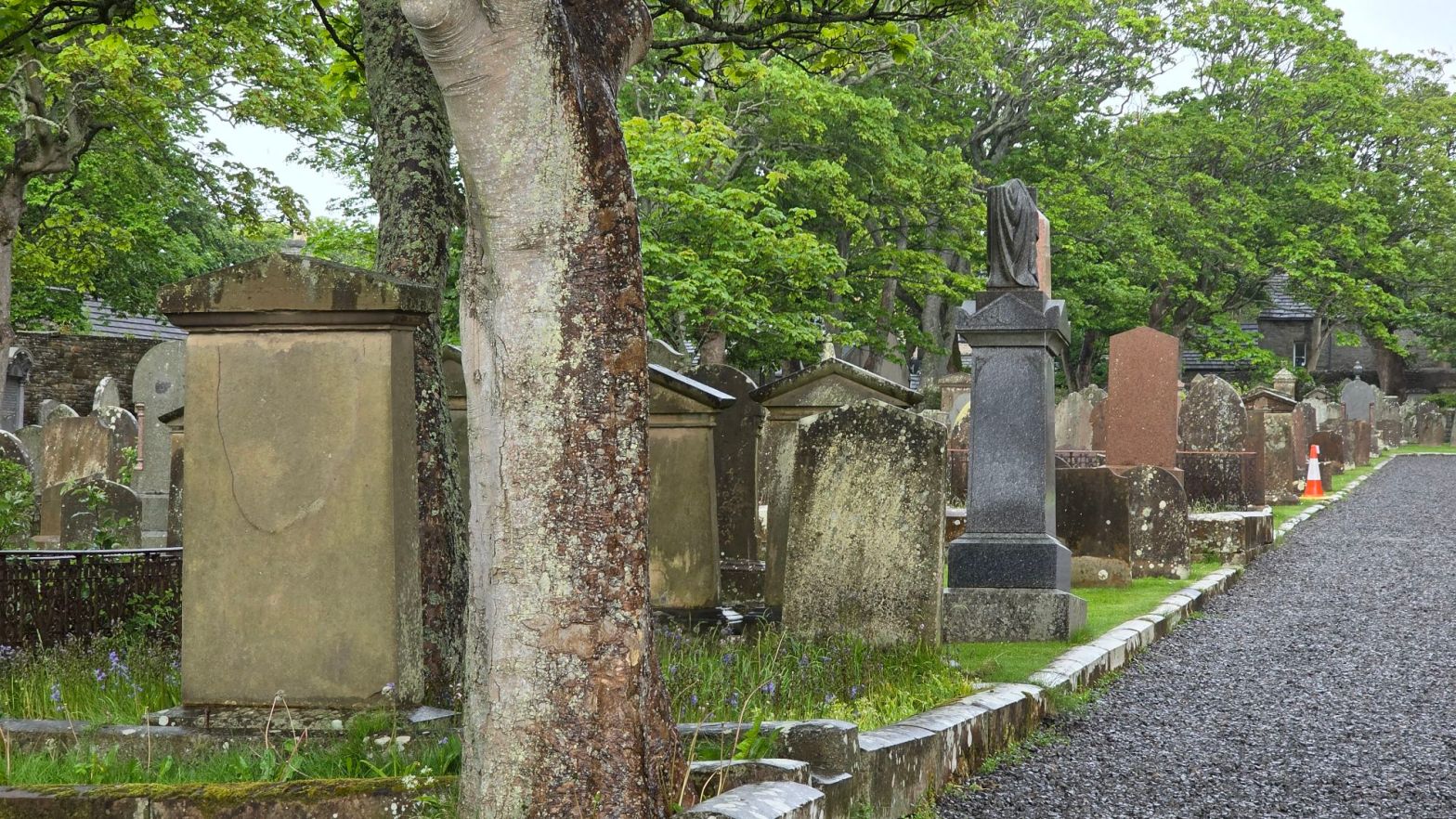
Beneath those rugged elms, that yew-tree’s shade,
[thomas gray, “elegy written in a country churchyard 1751]
Where heaves the turf in many a mould’ring heap,
Each in his narrow cell for ever laid,
The rude forefathers of the hamlet sleep.
What do I want people to say about me when I’m no longer on this earth?
What else besides a grave marker can I leave as a permanent reminder that I was here?
The older I get the more I ponder these questions.
I have what some would consider a morbid fascination with cemeteries, especially those that are located near a church. I fantasize being buried in one.
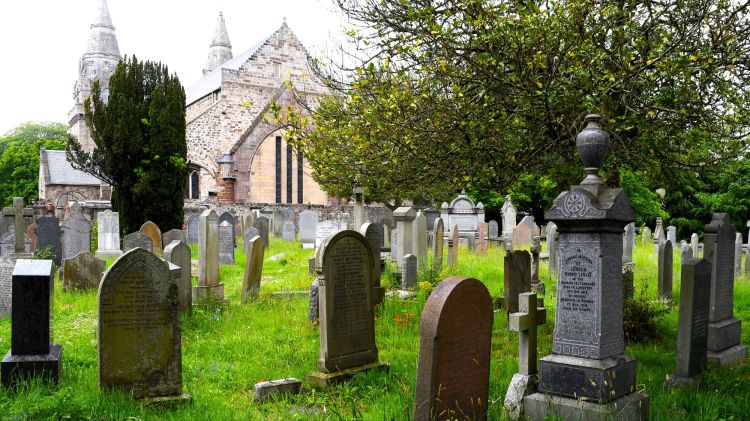
Aberdeen, Scotland.
For me, the physical proximity symbolizes the deceased person’s connection to their faith. I have a myriad of photos that I’ve taken of such graveyards, including the one shown here from our recent cruise to the countries of the United Kingdom.
In the days following our return, I began to think more and more about the ways we honor and remember those who have gone before us and reflect on those virtues that make us memorable to others beyond our relatives or close friends.
And as I photographed these tombstones, some of which date back to before the founding of the United States, I also wondered, who still exists that would even care about these people?
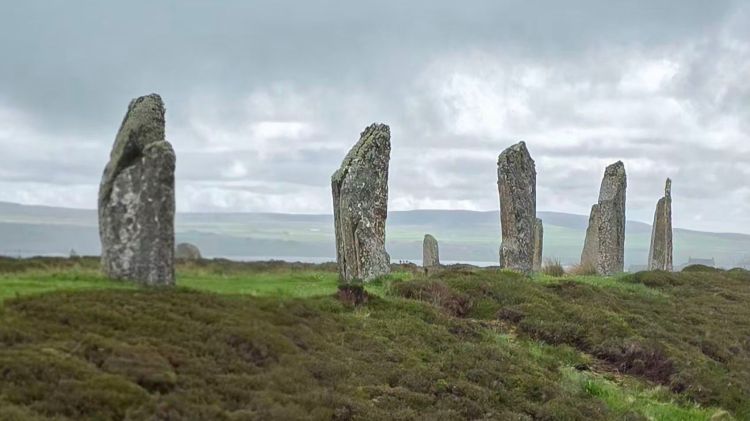
Of course, the memorializing of those who have gone before us precedes cemeteries.
While in the UK, we also saw the Ring of Brodgar, a circle of stones in Orkney, Scotland, believed to be a Neolithic burial ground that predates its more famous counterpart in England, the Stone Henge.
In my high school days, I remember having to read “Elegy Written in a Country Churchyard,” by the English poet Thomas Gray, as well as John Donne’s “No Man Is An Island.”
Both poems left a profound impression on me. In many ways, the thought of death has been a constant companion of mine, influenced, perhaps, by my father’s dying at an early age.
I confess my preference for Donne’s poem, mainly for its comparative brevity. I have recited the last four lines countless times.
Any man’s death diminishes me,
Because I am involved in mankind,
And therefore never send to know for whom the bell tolls;
It tolls for thee.
Gray’s lengthier piece, on the other hand, expresses a somewhat resentful tone – I read it as a warning – towards those of the upper social class who pursue ambition, wealth, and power, that their lot is no different than that of the humble, working, poor.
The boast of heraldry, the pomp of pow’r,
And all that beauty, all that wealth e’er gave,
Awaits alike th’ inevitable hour.
The paths of glory lead but to the grave.
I sense in that quatrain an echo of Shakespeare’s McBeth, “And all our yesterdays have but lighted fools their paths to dusty death.” (Act 5, Scene 5)
The inevitability of death, however, should not deter us from making an effort while we are alive to do our utmost to leave this world in better shape that it was when we entered it; from a social, environmental, and spiritual standpoint.
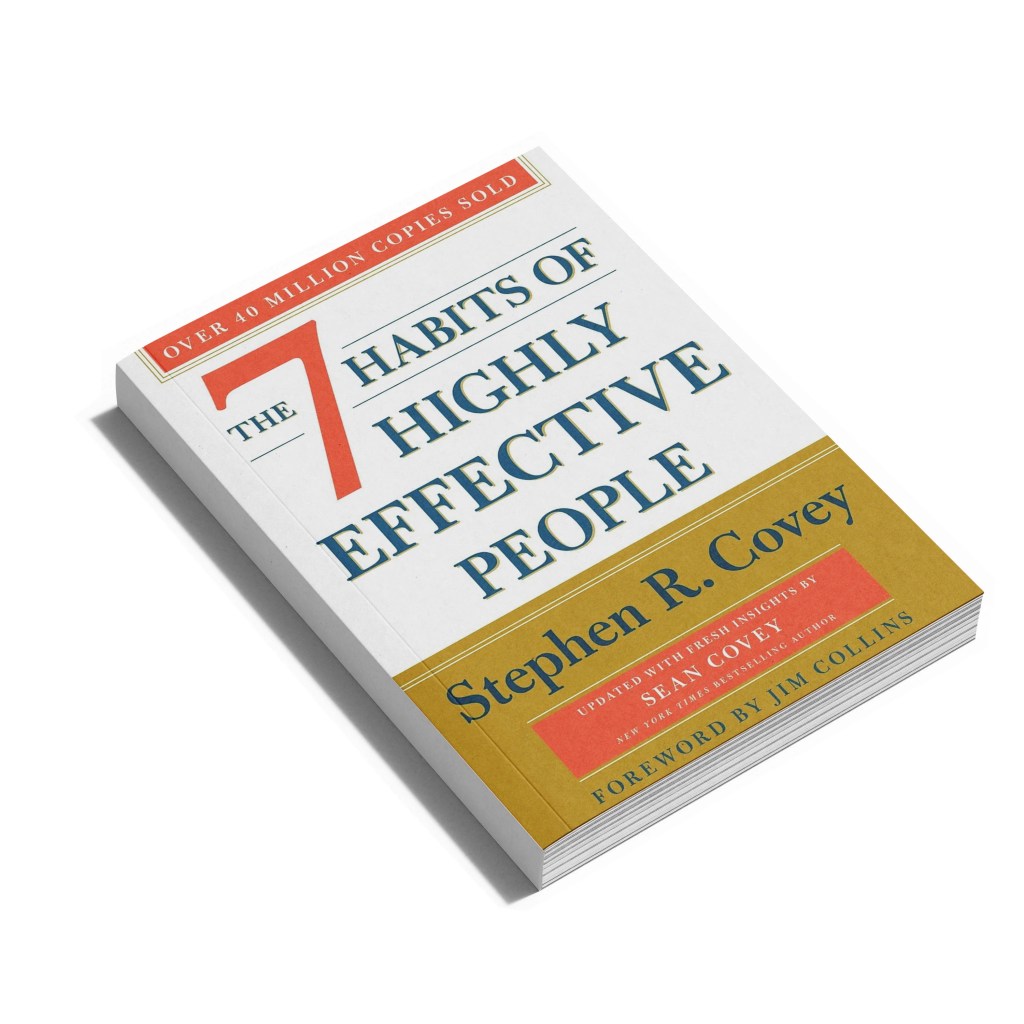
In 1989, Steven Covey wrote, The Seven Habits of Highly Effective People, one of the most influential personal development books ever written.
It became like a second Bible to me during my brief time in the business world.
Habit number two had the most impact on me, “Begin with the End in Mind.”
Covey asks the reader to visualize his or her own funeral. At this funeral there are four speakers, a family member, a friend, a co-worker, and a person from one’s church or service organization. What would we want each person to say about us?
The purpose of the exercise is to develop a personal mission statement – a blueprint for how to live our life in a way that matters most to us, a way that defines what is most important to us now, and to others when we are gone.
Though I haven’t written a personal mission statement or thoroughly thought the idea through, it comes to mind quite often and frequently informs my behavior as well as my relationships with others.
I began working on this reflection two weeks ago. I was unsure where my thoughts were leading me so I paused until I had some clear idea of how to move forward.
Then, Dolly Parton died, and soon afterwards the poet Wendell Berry.

1946 – 2026
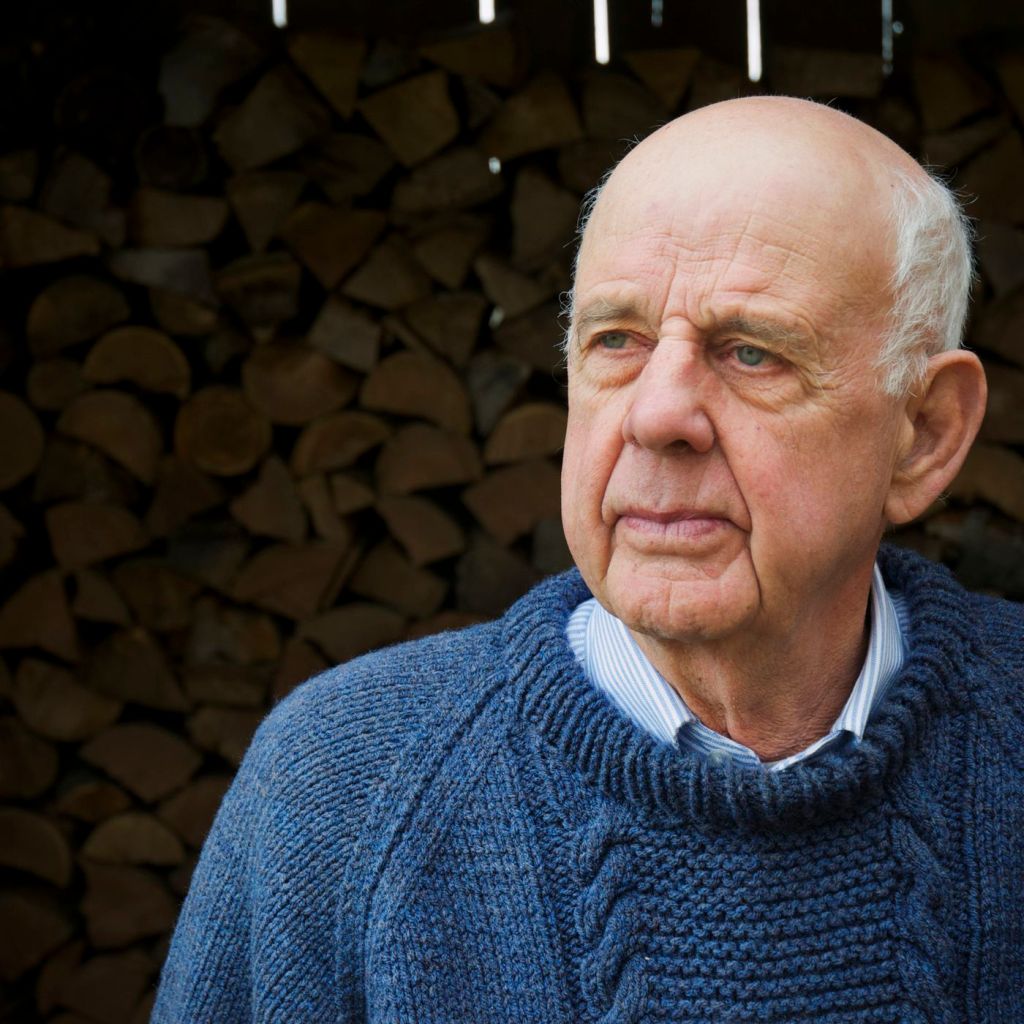
1934 – 2026
An extremely popular singer and actor, Parton has taken up the headlines, not only because of her artistic success, but also for her generous philanthropy which was much less conspicuous. Her tremendous wealth concealed an even greater compassion that supported causes ranging from literacy, health care, and disaster relief, among others.
Although her music will be an ever constant presence in the soundtrack of our society, her charitable contributions will also live on in the hearts of those who benefited from her kindness.
Berry’s audience, on the other hand, may be much more limited, but his books of poetry, essays and short stories will also have an influence on a smaller, but no less dedicated group of admirers.
These are but two examples of many.
Though we may never reach their level of success or popularity, we are still capable of having an impact on others.
So I return to the inquiries with which I began.
What do I want people to say about me when I’m no longer on this earth?
What else besides a grave marker can I leave as a permanent reminder that I was here?
It would behoove us to ask ourselves those questions while we are yet able to shape the response.
And we pray:
Lord Jesus Christ, by your death you took away the sting of death: Grant to us your servants so to follow in faith where you have led the way, that we may at length fall asleep peacefully in you and wake up in your likeness; for your tender mercies’ sake. Amen.
(Book of Common Prayer, p.504)


what a powerful essay to me personally as today is a milestone birthday. This thought has been much on my mind lately. I think I want to be remembered as being ALIVE and my deep appreciation for all the gifts GOD gives us on this brief time on earth! Living life to the fullest is a thank you to GOD for all he has provided, the ability to do his work and the pure joy of life!
LikeLiked by 2 people
God’s blessings on your birthday, Ellen!
I would encourage you to read Psalm 90, as I do each year on my birthday, especially verse 12:
“So teach us to number our days, that we may apply our hearts to wisdom.”
LikeLike
As you express here, Mr. Allende, I have also thought a lot about what legacy I might leave behind. It’s a good exercise, I think, because we have only so many years, and they slip away quickly, so we must not waste them. I think it’s one of the reasons I love to write. Writing allows me to understand more deeply what I believe, and perhaps leave something of value to others once I am gone.
I might add that one piece of your legacy is what you gave as a teacher and friend to your students over many years. As I have told you before, I have told many people about you over the years, also that I considered you my second father. Thank you for that!
One of my all-time favorite stories is Watch With Me by Wendell Berry. If you haven’t read it, it is the title story in a collection of short stories, a touching story of friends who follow and try to help a man through several days and nights who is threatening suicide.
LikeLiked by 2 people
Kirk,
Thank you for your kind words. My six years in the classroom were a blessing to me, mainly because of the students I was privileged to know and to watch develop into productive adults.
It’s been a joy to reconnect with you and share our love of writing. Your parents left a tremendous legacy in the person you’ve become.
I have several Wendell Berry books in my library. I’ll look up your suggestion.
Blessings!
LikeLiked by 2 people
Glad you are back Writing. We loved Scotland having stayed in bed-and-breakfasts in the Highlands including Orkney.
Such a pertinent question for today’s blog. When I think about my grandma, I just get a smile and feel her hugs, she taught me much about making cookies and bread. And I’ve passed that on to our grandkids. I often think about how would I spend my last day if I knew? And Jeff and I have a pretty good routine which I would be comfortable with.
Enjoy the rest of your summer.
Together we serve, Sally
LikeLiked by 2 people