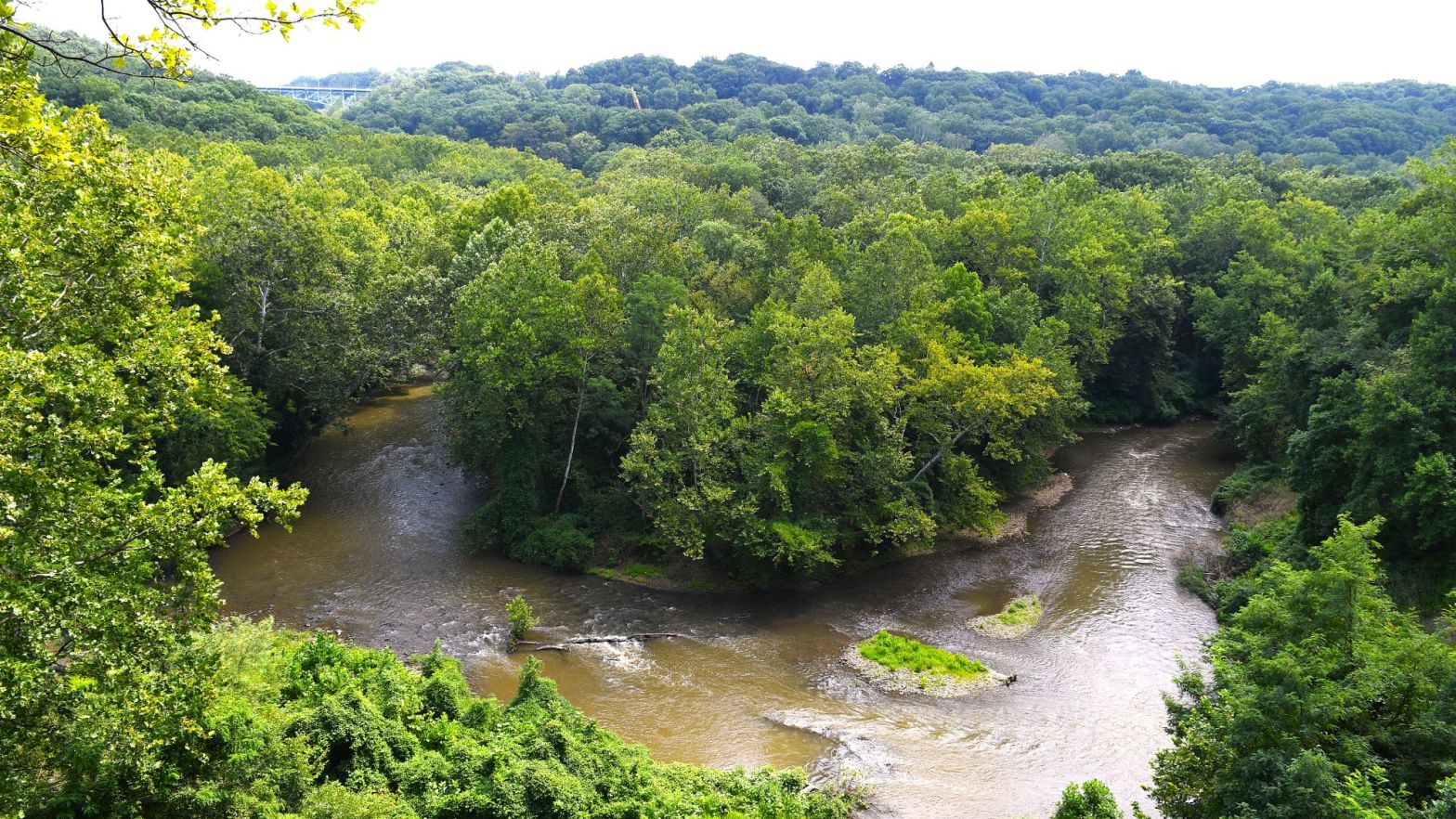
[God said:] Wherever the river goes, every living creature that swarms will live, and there will be very many fish once these waters reach there. It will become fresh, and everything will live where the river goes.
[ezekiel 47:9 nrsvue]
This past summer I’ve spent more than a few afternoons roaming the Cuyahoga Valley National Park as well as the Summit Metro Parks in search of the elusive perfect photo.
I still don’t feel I’ve accomplished that goal, but I won’t be deterred.
One side benefit to my quest is that I’ve learned a lot about the parks, the Cuyahoga River, and the region.
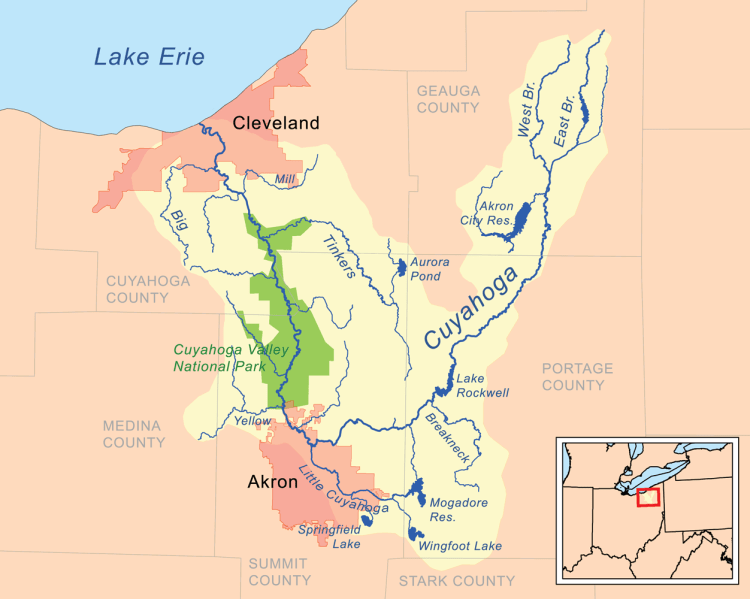
The river has captured the bulk of my attention. I’ve limited myself to exploring the stretch that meanders through Summit County, one of the four counties it crosses along its 100-mile course.
According to the National Park website, the “Crooked River” – the English translation of the Native American word Cuyahoga – and the abundant forests surrounding it, provided the more than two dozen indigenous tribes that inhabited the valley with all the food they needed.
Although today the waterway is primarily a tourist attraction and a recreational resource, getting to that point has been an arduous challenge.
The advent of industrialization made the river a dumping ground over many years for a variety of waste and toxic chemicals that reached a climax in 1969, when the river incredibly caught fire.
As a result, the city of Cleveland became the butt of national jokes.
The much cleaner free-flowing state of the river today has become a reality thanks to the vision and dogged efforts of a group of dedicated individuals who had strong concerns about the environmental health of the river.
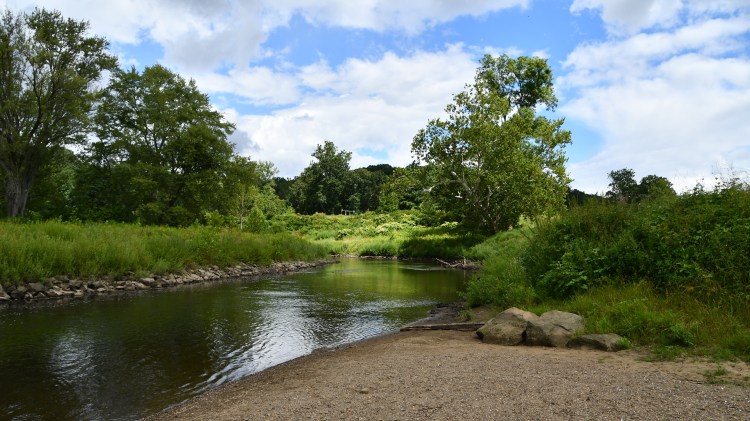
The group, known as Friends of the Crooked River initiated a movement in the early 1990’s to remove all sorts of debris from the once heavily polluted river – including abandoned cars!
They’ve also advocated for the elimination of the five dams that restricted the flow of the river and endangered the health of its fish and wildlife.
I feel I’ve always been observant of the beauty of nature.
However, now that I have more time on my hands and committed myself more to improving my photography, I think it has sharpened my skills of observation and given me a heightened awareness of, and keener interest in detail.
It has given me a greater appreciation for this world that God has made.
I have also found new motivation with the discovery of a new liturgical season, the Season of Creation, which began on September 1.
This ecumenical initiative is observed by Christian communities worldwide to renew their relationship with God and all creation through prayer, reflection, and action for environmental stewardship and ecological justice.
The season ends on October 4, the day of the Feast of St. Francis of Assisi.
This year’s theme is “Living Water,” and is inspired by the scripture verse (see above) from the book of the prophet Ezekiel.
I confess to not having known anything about this recently created season until a few weeks ago when it came up in my daily devotional reading.
When I was active in parish ministry, we celebrated the Blessing of the Animals on the day closest to October 4. But beyond that, my observance of environmental matters was minimal.
Now that we are into the season of autumn, the leaves will soon be turning colors, and we will be dazzled with an even more spectacular array of the natural elegance of this wonderful world we inhabit.
May we become not only more observant about the splendor of God’s creation but also dedicate ourselves to a greater sense of care and responsibility for all the blessings that God has provided for us out of his abundance.
And we pray:
Almighty God, Lord of heaven and earth: We humbly pray that your gracious providence may give and preserve to our use the harvests of the land and of the seas, and may prosper all who labor to gather them, that we, who constantly receive good things from your hand, may always give you thanks; through Jesus Christ our Lord, who lives and reigns with you and the Holy Spirit, one God, for ever and ever. Amen.
(Book of Common Prayer, edited p. 207)

